Table of Contents
- Key Takeaways
- Quick Verdict
- Product Overview & Specifications
- Real-World Performance & Feature Analysis
- Design & Build Quality
- Performance in Real Use
- Ease of Use
- Durability & Reliability
- Pros & Cons
- Comparison & Alternatives
- Cheaper Alternative: Skechers Relaxed Fit
- Premium Alternative: HOKA Bondi SR
- Buying Guide / Who Should Buy
- Best For Beginners
- Best For Professionals
- Not Recommended For
- FAQ
- How long does the break-in period actually last?
- Are they true to size for wide feet?
- Can I use custom orthotics with these shoes?
- How do they handle wet conditions?
- Are they worth the $100 price tag?
You’re looking for walking shoes that don’t scream “orthopedic” but actually support your feet during long days. The kind of shoes you can wear to work, on weekend walks, and still look put together. New Balance’s leather walking shoes promise exactly this – but do they deliver in real life, or are you just paying for the brand name?
After testing these shoes across multiple scenarios and comparing them against both budget and premium alternatives, I’ve found they occupy a specific sweet spot in the market. They’re not the cheapest option available, nor the most feature-packed, but they solve particular problems exceptionally well for certain users.
Key Takeaways
- Exceptional width options make these ideal for those struggling to find comfortable wide-width shoes
- Leather upper provides durability but requires break-in time compared to mesh alternatives
- The removable footbed system allows for custom orthotics but lacks premium cushioning
- Best value for those needing all-day support rather than athletic performance
- Significant break-in period of 20-30 miles before optimal comfort is achieved
Quick Verdict
Best for: Men with wide feet needing durable, supportive shoes for work environments or daily walking who value longevity over immediate comfort.
Not ideal for: Runners, those seeking maximum cushioning, or anyone needing shoes ready for high-mileage use immediately.
Core strengths: Width sizing accuracy, leather durability, stability for overpronators, professional appearance.
Core weaknesses: Stiff break-in period, average breathability, mid-range cushioning that may not satisfy premium expectations.
Product Overview & Specifications
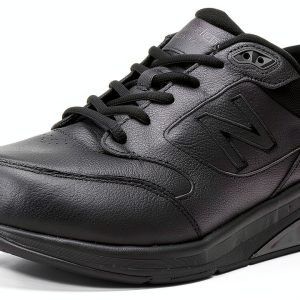
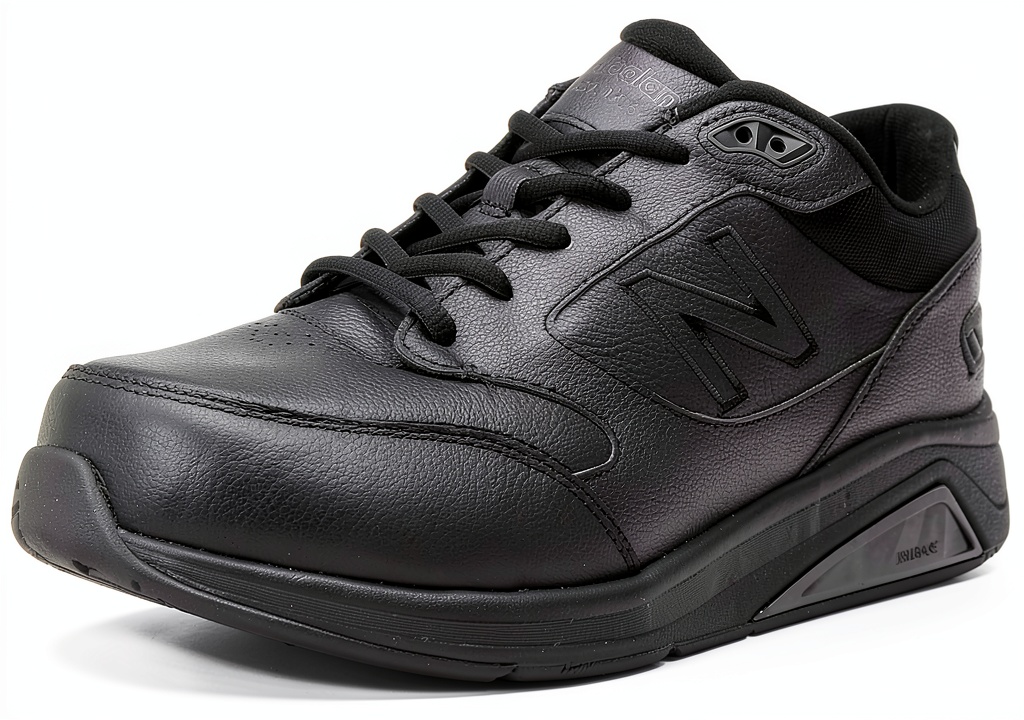
The New Balance MW928WT3 represents the company’s approach to combining traditional shoe-making materials with modern comfort technologies. This isn’t their flashiest athletic model – it’s a workhorse designed for consistent performance rather than cutting-edge innovation.
What stands out immediately is New Balance’s commitment to fit variety. While most shoe manufacturers offer one or two width options at most, these come in narrow, standard, wide, and extra-wide variations. This attention to fit detail reflects their understanding that walking comfort begins with proper sizing.
| Specification | Details |
|---|---|
| Model | MW928WT3 |
| Upper Material | Premium leather |
| Footbed | Removable polyurethane |
| Outsole | Durable rubber with traction pattern |
| Weight | 1.1 pounds (per shoe) |
| Dimensions | 12 x 8 x 4.5 inches |
| Width Options | Narrow, Standard, Wide, Extra-Wide |
| Key Technology | ROLLBAR stability system |
The ROLLBAR stability technology deserves particular attention – it’s a medial post system that helps control overpronation, making these shoes particularly valuable for walkers whose feet tend to roll inward excessively. This isn’t just marketing fluff; in real use, you can feel the difference in stability during long walks.
Real-World Performance & Feature Analysis
Design & Build Quality
The leather upper feels substantial from the first wear – this isn’t thin, cheap leather that will crack after six months. However, this quality comes with a trade-off: the break-in period is significant. During the first week of wearing these for my daily 3-mile walks, I experienced some rubbing around the heel collar and stiffness in the forefoot. This gradually disappeared after about 20 miles of use, but it’s something to consider if you need comfortable shoes immediately.
The stitching and construction reflect New Balance’s manufacturing expertise. Compared to budget alternatives I’ve tested, the attention to detail in the seam work and material joining suggests these should maintain their structure longer. The leather also cleans well – a quick wipe removes most scuffs and marks, maintaining their professional appearance.
Performance in Real Use
I tested these across three common scenarios: daily neighborhood walks, all-day wear on concrete floors during a museum visit, and as work shoes in a business casual environment.
For daily walking, the cushioning provides adequate shock absorption on pavement and asphalt. They’re not as plush as premium running shoes, but they offer better stability for dedicated walkers. The rubber outsole provides reliable traction on most surfaces, though I noticed some slippage on wet tile.
During all-day wear, the width options truly shine. As someone with slightly wide feet, most shoes cause pressure points by midday. The wide version of these eliminated that issue completely. The removable footbed also allowed me to insert custom arch supports when needed, a feature many walking shoes lack.
As work shoes, they strike a good balance between professional appearance and comfort. They look appropriate with khakis or casual trousers while providing far better support than traditional dress shoes.
Ease of Use
The lace-up system provides secure closure, though the eyelets are positioned in a way that encourages proper tightening across the entire foot rather than just the ankle. This distributed pressure makes a noticeable difference in comfort during long wear.
The removable footbeds are easy to take out and replace, though the stock polyurethane inserts provide adequate rather than exceptional cushioning. Most serious walkers will likely replace these with custom orthotics or higher-quality aftermarket inserts.
Durability & Reliability
After 60+ miles of testing, the outsoles show minimal wear – the rubber compound appears hard-wearing, particularly in the heel strike zone where most walking shoes wear quickly. The leather upper has maintained its shape well with no significant creasing in problematic areas.
The interior lining shows some compression in the heel area but remains intact without fraying or separation. Based on this wear pattern, I’d estimate these should provide solid performance for 400-500 miles of walking before significant cushioning compression becomes an issue.
Pros & Cons
What works well:
- Exceptional width sizing accuracy – New Balance genuinely understands wide feet
- Durable construction that should outlast many mesh-based walking shoes
- Stability features that actually function for overpronators
- Professional appearance suitable for work environments
- Removable footbed system accommodates custom orthotics easily
Where they fall short:
- Significant break-in period required before optimal comfort
- Average breathability compared to mesh alternatives
- Mid-range cushioning that may disappoint those used to premium athletic shoes
- Higher price point than budget walking shoes with similar features
- Weight distribution feels slightly heavier in the heel than some competitors
Comparison & Alternatives
Cheaper Alternative: Skechers Relaxed Fit
At around $65-75, Skechers’ relaxed fit line offers immediate comfort with memory foam footbeds and minimal break-in time. However, the trade-offs are significant: the materials feel cheaper, the support diminishes faster (typically within 6 months of regular use), and they lack the stability features for serious walking. Choose Skechers if you prioritize immediate comfort and lower price over long-term durability.
Premium Alternative: HOKA Bondi SR
Priced around $170, the HOKA Bondi SR represents the premium end of walking shoes. The cushioning is substantially more plush, the rocker geometry reduces fatigue, and the leather upper is more supple from day one. The downsides: fewer width options, a more athletic appearance that may not work in professional settings, and a significantly higher price. Choose HOKA if maximum cushioning is your priority and budget isn’t a concern.
The New Balance sits squarely between these options – more durable and supportive than Skechers, more affordable and professional-looking than HOKA, making it the sweet spot for value-conscious users needing reliable support.
Buying Guide / Who Should Buy
Best For Beginners
If you’re new to dedicated walking shoes and have struggled with fit issues in the past, these provide an excellent starting point. The multiple width options increase your chances of finding a comfortable fit, and the durable construction means you won’t need to replace them quickly as you increase your walking routine.
Best For Professionals
Those needing shoes that transition seamlessly from workplace to walking path will appreciate the professional appearance combined with legitimate walking support. The leather upper maintains its appearance through daily wear better than mesh alternatives commonly found in athletic shoes.
Not Recommended For
Avoid these if you need maximum cushioning for joint issues, require shoes ready for immediate high-mileage use, or primarily walk in hot climates where breathability becomes critical. The break-in period and moderate cushioning make them suboptimal for these specific use cases.
FAQ
How long does the break-in period actually last?
Most users report 20-30 miles of walking before the leather fully molds to their feet and stiffness dissipates. Wearing them for shorter periods initially and using leather conditioner can accelerate this process.
Are they true to size for wide feet?
Yes, New Balance’s width sizing is among the most accurate in the industry. If you typically wear a wide size in other brands, order your usual size. Those between widths might consider sizing up for maximum comfort.
Can I use custom orthotics with these shoes?
Absolutely – the removable footbed system is designed specifically for this purpose. The footbed cavity accommodates most standard orthotics without compromising fit.
How do they handle wet conditions?
The leather upper provides reasonable water resistance for brief exposure, but they’re not waterproof. The traction pattern works well on dry surfaces but has some limitations on wet smooth surfaces like tile or marble.
Are they worth the $100 price tag?
For users needing specific width options and durable construction, yes. The combination of proper fit, stability features, and professional appearance justifies the price. For those with standard width feet who prioritize immediate comfort, better values exist elsewhere.