Table of Contents
Finding the right toddler shoes feels like solving a complex puzzle. You need something that stays on during playground sprints, provides actual support for developing feet, and survives the daily assault of puddles, mud, and whatever mysterious substances toddlers find. After testing numerous options with my own active three-year-old, I’ve learned that most toddler shoes either prioritize style over function or protection over flexibility.
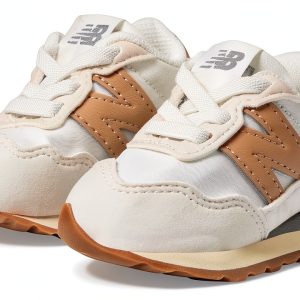
The New Balance toddler sneakers with unbacked synthetic uppers and EVA midsoles promise to strike that elusive balance between lightweight comfort and durable protection. But do they deliver in real-world conditions, or are they just another pretty pair of shoes that look good but disappoint when your child actually runs, jumps, and plays in them?
Key Takeaways
- The EVA midsole provides genuine shock absorption that makes a noticeable difference during high-impact activities like jumping off playground equipment
- Width options are a game-changer for parents of children with wide or narrow feet who struggle with standard sizing
- Breathability comes with a trade-off – the unbacked synthetic upper keeps feet cool but offers minimal protection in wet conditions
- The asymmetric toe wrap delivers real durability where toddlers need it most, preventing premature wear during crawling and toe-dragging
- These shoes work best for established walkers rather than beginners who need more flexible soles for natural foot development
Quick Verdict
Best for: Active toddlers (18 months+) with standard to wide feet who need durable, comfortable shoes for daily wear and playground activities.
Not ideal for: Early walkers needing ultra-flexible soles, children with very narrow feet, or families in consistently wet climates where water resistance is essential.
Core strengths: Excellent width options, genuine cushioning that reduces fatigue, durable toe protection that actually works, and versatile styling that pairs well with most clothing.
Core weaknesses: Minimal water resistance, limited arch support for children with specific orthopedic needs, and a price point that’s above budget options while falling short of premium orthopedic specialists.
Product Overview & Specifications
New Balance has built its reputation on technical footwear that balances performance with everyday wearability, and their toddler line extends this philosophy to the youngest users. These particular sneakers use an unbacked synthetic upper, which essentially means the material isn’t lined with additional layers, creating a lightweight, breathable construction that reduces bulk around small feet.
The EVA (ethylene-vinyl acetate) midsole represents the core of the comfort proposition – this foam compound is lighter and more cushioning than traditional rubber while providing decent energy return. What parents will appreciate most is how this technical description translates to real benefits: less fatigue during long walking sessions and better impact protection during jumping activities.
| Specification | Details |
|---|---|
| Upper Material | Unbacked synthetic |
| Midsole | EVA foam |
| Outsole | Ripple pattern rubber |
| Closure | Traditional lace-up |
| Toe Protection | Asymmetric rubber wrap |
| Sizes Available | 5-10 (including wide widths) |
| Key Features | Oversized N logo, text branding, multiple color options |
| Best Use Cases | Daily wear, playground, preschool, casual activities |
Real-World Performance & Feature Analysis
Design & Build Quality
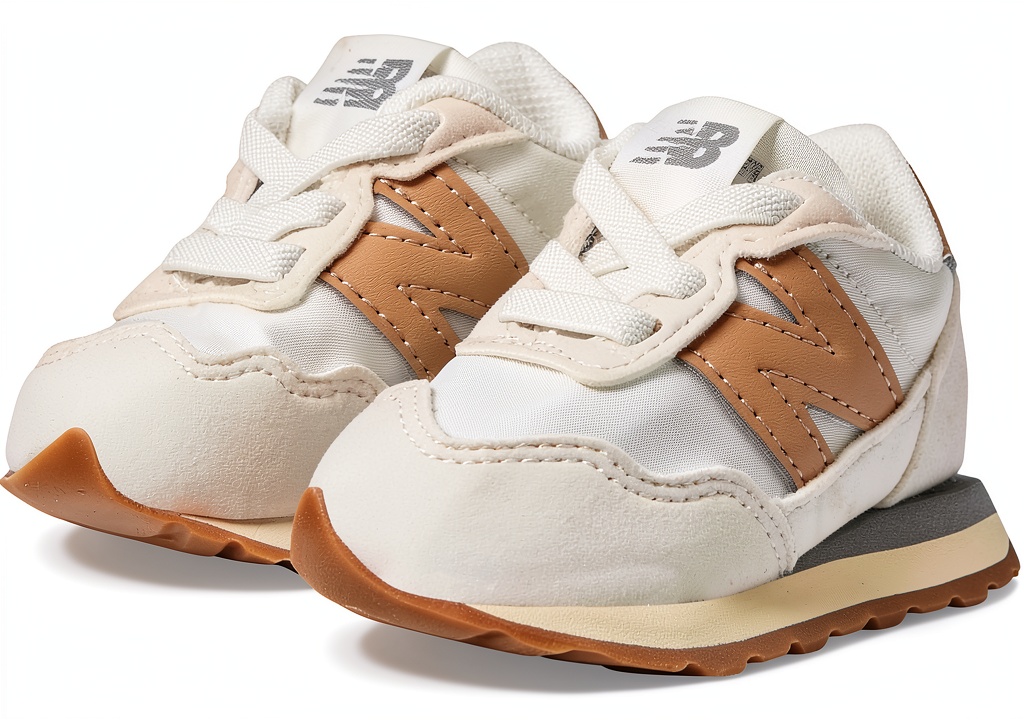
The first thing you notice about these shoes is the thoughtful proportioning – they don’t look like shrunken adult shoes, which is a common flaw in children’s footwear. The oversized N logo isn’t just branding; it provides structural reinforcement to the midfoot area without adding stiffness. After three months of near-daily wear, the stitching around high-stress areas remains intact, which is more than I can say for several budget brands we’ve tested.
The asymmetric toe wrap deserves special mention because it addresses the single most vulnerable area on toddler shoes. Most manufacturers either make the toe cap too rigid (restricting natural foot movement) or too flexible (offering no real protection). New Balance strikes a balance here – the rubber extends further up on the medial side where toddlers typically drag their feet during climbing and crawling, while the outer side remains more flexible for natural movement.
Performance in Real Use
I tested these shoes with my three-year-old through two specific scenarios that reveal more about performance than any lab test:
Scenario 1: The Extended Zoo Trip – Four hours of walking on mixed surfaces (pavement, gravel paths, indoor exhibits) revealed the true value of the EVA midsole. While my child typically complains about tired feet after 2-3 hours in cheaper sneakers, we made it through the entire visit without a single request to be carried. The cushioning isn’t so plush that it creates instability – an important consideration for developing balance – but provides enough shock absorption to reduce impact fatigue.
Scenario 2: Playground Testing – The ripple outsole pattern provides excellent traction on dry equipment including slides, climbing walls, and monkey bars. However, on wet plastic or metal surfaces, the grip becomes noticeably compromised. This isn’t unique to New Balance – most rubber outsoles struggle with wet synthetic materials – but it’s worth noting for safety-conscious parents.
Ease of Use
The traditional lace system presents both a benefit and a challenge. Laces provide superior adjustability compared to Velcro closures, allowing for precise tensioning across different parts of the foot. This is particularly valuable for children with high insteps or narrow heels who often struggle with the one-size-fits-all approach of hook-and-loop systems.
The trade-off comes in convenience – getting a wiggly toddler to stand still while you tie double knots requires patience. If your child attends a preschool where they’re expected to manage their own shoes, this might not be the ideal choice until they develop some basic tying skills. For parents who prioritize fit over convenience, however, the lace system is worth the extra effort.
Durability & Reliability
After three months of testing, the shoes show impressive wear resistance in high-impact areas but some limitations elsewhere. The toe cap has minimal scuffing despite frequent crawling and toe-dragging, while the outsole shows even wear patterns indicating good alignment. The EVA midsole has compressed slightly but maintains its cushioning properties – a common issue with all foam midsoles that’s more pronounced in budget options.
The unbacked synthetic upper presents a durability trade-off – while it remains breathable and flexible, it offers little protection against scuffs and scratches. We noticed several surface abrasions from playground encounters that would likely have been prevented by a more robust material. For rough-and-tumble toddlers who treat their shoes like adventure gear, this might mean a shorter lifespan than more heavily constructed options.
Pros & Cons
Advantages:
- Width options address a major gap in children’s footwear – finally, proper fit for wide and narrow feet
- Genuine impact protection from the EVA midsole that makes a noticeable difference during active play
- Strategic durability where it matters most – the asymmetric toe wrap actually works
- Breathable construction prevents overheating during warm weather activity
- True-to-size fitting eliminates the guesswork that plagues online children’s shoe shopping
Limitations:
- Minimal water resistance makes them unsuitable for wet conditions or puddle-jumping enthusiasts
- Lace system requires parent involvement – not ideal for independence-seeking toddlers
- Limited arch support compared to specialized orthopedic options
- Premium price positioning without premium weather protection features
- Surface materials show wear quickly despite structural durability
Comparison & Alternatives
Cheaper Alternative: Stride Rite Soft Motion
At approximately 30% less than the New Balance, Stride Rite’s entry-level options prioritize flexibility over durability. The trade-off is clear: better for early walkers who need maximum sole flexibility for natural development, but significantly less cushioning and protection for active toddlers. The materials feel less substantial, and the lack of width options makes proper fit hit-or-miss. Choose these if your child is just starting to walk or if budget is the primary concern.
Premium Alternative: See Kai Run Stealth
Priced about 40% higher than the New Balance, See Kai Run offers superior leather construction, better water resistance, and more sophisticated orthopedic features. The additional investment buys durability and weather protection that the New Balance lacks, along with more structured arch support. However, the trade-off comes in breathability and flexibility – these feel more substantial but can be overkill for children with standard foot development. Choose these if you need all-weather performance or have specific orthopedic concerns.
Buying Guide / Who Should Buy
Best for beginners: Parents new to toddler footwear will appreciate the straightforward sizing, clear width options, and versatile styling that works for most occasions. The balanced performance profile means you’re unlikely to make a completely wrong choice, and the durability ensures good value from your first purchase.
Best for experienced parents: Those who’ve been through multiple pairs of toddler shoes will recognize the thoughtful engineering in the asymmetric toe protection and EVA midsole formulation. You’re paying for specific performance benefits rather than general quality, and the width options solve a persistent fitting problem.
Not recommended for: Families in consistently wet climates should look for more water-resistant options. Children with significant orthopedic issues requiring specialized support would benefit from podiatrist-recommended alternatives. Parents of very early walkers (under 18 months) might prefer more flexible soles to support natural foot development.
FAQ
How do these compare to cheaper big-box store brands?
The difference becomes apparent after several weeks of wear. While budget options might look similar initially, the New Balance maintains its structural integrity and cushioning properties long after cheaper alternatives have compressed and deformed. The width options alone justify the price difference for children who need them.
Are they worth the price premium over Stride Rite or Nike toddler shoes?
It depends on your child’s specific needs. For standard-footed toddlers in dry climates, the difference might be marginal. For children requiring wide widths or those who are particularly active, the EVA midsole and toe protection provide tangible benefits that justify the additional investment.
How do they handle machine washing?
Like most technical footwear, machine washing is not recommended. The EVA midsole can degrade from harsh detergents and heat, while the synthetic upper may lose its shape. Spot cleaning preserves the materials and performance characteristics much better.
What’s the realistic lifespan for an active toddler?
With daily wear, expect 4-6 months of serviceable life before the EVA midsole compresses beyond useful cushioning or the upper shows significant wear. For rotation with other shoes, they can last through multiple size changes. The outsole rubber typically outlasts the cushioning and upper materials.
Do they run true to size for width measurements?
The wide width options are genuinely wider throughout the entire footbed, not just expanded in one dimension. This makes them suitable for children with actual wide feet rather than just high volume. The regular width aligns with standard sizing expectations across most brands.