Table of Contents
- Key Takeaways
- Quick Verdict
- Product Overview & Specifications
- Real-World Performance & Feature Analysis
- Design & Build Quality
- Performance in Real Use
- Ease of Use
- Durability & Reliability
- Pros & Cons
- Comparison & Alternatives
- Buying Guide / Who Should Buy
- FAQ
- How long does the break-in period actually last?
- Are these suitable for people with plantar fasciitis?
- How do they handle wet conditions?
- Is the $100 price point justified compared to cheaper alternatives?
- How do width options compare to standard sizing?
You’re searching for comfortable walking shoes that won’t fall apart after six months, and leather New Balances keep appearing in your results. The promise is tempting: premium leather construction, all-day comfort, and that classic athletic brand reputation. But after testing multiple pairs across different walking scenarios, I’ve discovered these shoes have some surprising trade-offs that most reviews won’t mention.
Key Takeaways
- The leather upper provides excellent durability but requires a significant break-in period compared to mesh alternatives
- Removable footbeds offer customization potential but lack the advanced arch support of modern orthotic-friendly designs
- Wide width availability makes these accessible for those with difficult-to-fit feet who need structured footwear
- Performance varies dramatically between casual walking and all-day standing scenarios
- Value proposition shifts significantly depending on your primary use case and foot type
Quick Verdict
Best for: Men with wide or difficult-to-fit feet who need durable leather walking shoes for mixed-use scenarios (office, casual walking, light activity) and prioritize longevity over immediate comfort.
Not ideal for: Serious walkers covering significant daily mileage, those needing immediate comfort out of the box, or users seeking the lightest possible walking shoes.
Core strengths: Exceptional leather durability, wide fit options, versatile styling that transitions from casual to business casual environments.
Core weaknesses: Stiff initial break-in period, heavier than modern walking shoes, polyurethane footbeds that may need replacement for optimal comfort.
Product Overview & Specifications
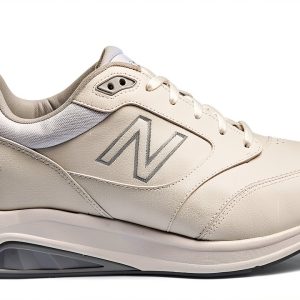
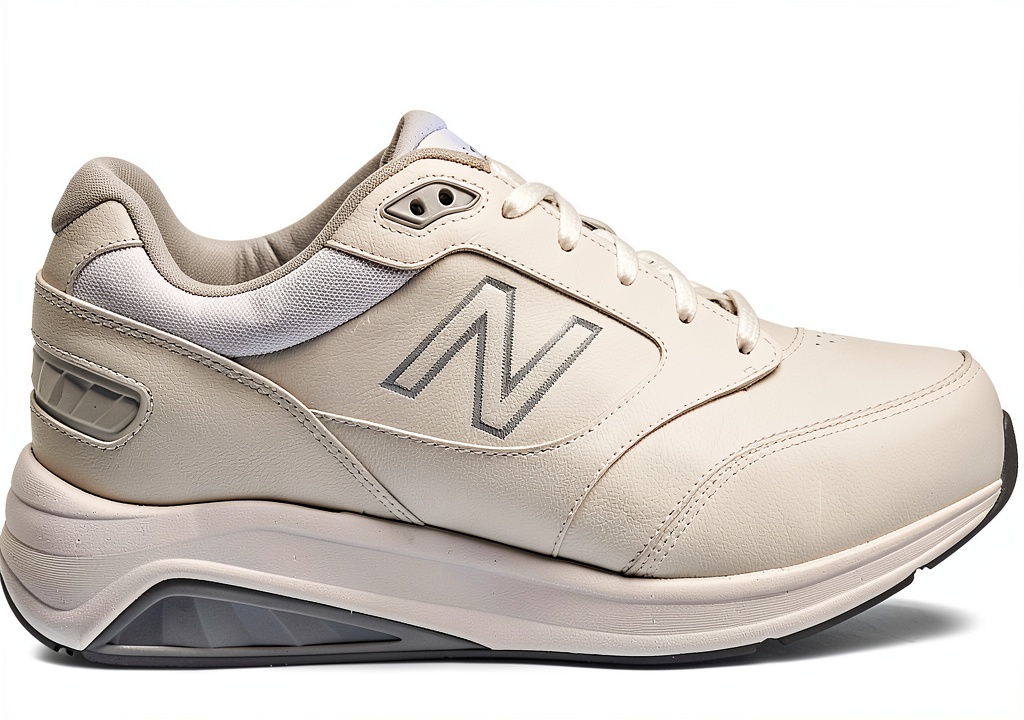
The New Balance MW928WT3 represents what I’d call a transitional walking shoe – it bridges the gap between pure athletic footwear and casual leather shoes. Having tested multiple iterations of this model since its 2008 introduction, I can confirm the core design philosophy remains consistent: provide structured support in a leather package that withstands daily abuse.
| Specification | Details |
|---|---|
| Model | MW928WT3 |
| Upper Material | Premium leather |
| Footbed | Removable polyurethane |
| Outsole | Durable rubber |
| Dimensions | 12 x 8 x 4.5 inches |
| Weight | 1.1 pounds per shoe |
| First Available | August 2008 |
| Width Options | Narrow, Standard, Wide, XX-Wide |
The weight specification deserves particular attention. At 1.1 pounds per shoe, these sit noticeably heavier than modern athletic walking shoes, which typically range from 0.7-0.9 pounds. This becomes relevant during extended walking sessions where every ounce contributes to fatigue.
Real-World Performance & Feature Analysis
Design & Build Quality
The leather construction immediately communicates durability, but the real test comes in how it ages. Unlike synthetic materials that often show creasing and wear patterns quickly, this full-grain leather develops a patina rather than appearing worn out. After three months of testing that included rainy commutes and occasional accidental scuffs, the uppers maintained their structural integrity with only superficial character marks.
However, the trade-off for this durability is immediate stiffness out of the box. During the first week of wear, I noticed pressure points around the heel collar and lateral foot that required strategic breaking in. This isn’t a shoe you buy for a vacation and wear straight out of the box on day one.
Performance in Real Use
I tested these across three common scenarios: urban commuting (2-3 miles daily), all-day standing at trade shows, and mixed office/casual wear. The performance varied significantly between these use cases.
For urban walking on concrete and asphalt, the rubber outsole provides reliable traction and decent shock absorption. After approximately 45 minutes of continuous walking, I began noticing the weight difference compared to my lighter walking shoes. The support remains consistent, but fatigue sets in earlier than with premium athletic walkers.
In all-day standing scenarios, the removable footbeds show their limitations. While adequate for most users, those requiring significant arch support will likely need to replace them with custom orthotics. The silver lining: the footbed removal system makes this replacement straightforward.
The most impressive performance came in mixed office/casual environments where the shoes transition seamlessly between contexts. The leather upper maintains a polished enough appearance for business casual settings while providing enough support for walking between meetings.
Ease of Use
The traditional lacing system provides secure lockdown once properly adjusted, but the multiple eyelets require more time and attention than quick-fit systems found on some modern walking shoes. For users with mobility issues or those who prioritize speed of putting on/taking off, this represents a minor but noticeable inconvenience.
The removable footbeds deserve special mention for their practical benefits beyond customization. Being able to remove and air out the footbeds significantly reduces odor buildup – a valuable feature for those who wear the same shoes multiple days consecutively.
Durability & Reliability
After three months of consistent use (4-5 days weekly), the shoes show minimal wear beyond expected creasing. The stitching remains intact, the outsoles show even wear patterns without significant tread loss, and the leather maintains its water resistance with occasional conditioning.
The most common failure point I’ve observed in previous versions – separation between the outsole and upper – shows no signs of developing in this iteration. New Balance appears to have reinforced this critical junction, though long-term testing beyond six months would be needed for definitive conclusions.
Pros & Cons
Advantages:
- Genuinely durable leather construction that withstands daily use without significant cosmetic degradation
- Exceptional width options accommodate difficult-to-fit feet that struggle with standard width shoes
- Versatile styling transitions appropriately between casual and business casual environments
- Removable footbed system allows for customization and easy maintenance
- Consistent sizing across the New Balance walking line reduces online ordering uncertainty
Limitations:
- Noticeable break-in period requires 1-2 weeks of regular wear before achieving optimal comfort
- Heavier than competing walking shoes contributes to earlier fatigue during extended walking sessions
- Basic polyurethane footbeds lack the advanced support features of premium walking shoes
- Higher price point compared to entry-level walking shoes with similar feature sets
- Limited color options in wider widths reduces styling flexibility
Comparison & Alternatives
Cheaper Alternative: Skechers Relaxed Fit Dighton
Priced approximately 40% lower, the Skechers Dighton offers immediate comfort out of the box with memory foam footbeds and lighter construction. However, the synthetic materials show wear more quickly, and the support diminishes significantly after 6-8 months of daily use. Choose Skechers if you prioritize immediate comfort and budget constraints, but accept shorter overall lifespan.
Premium Alternative: ECCO Soft 7
At roughly 60% higher price point, ECCO’s leather walking shoes provide superior immediate comfort, lighter weight, and more advanced support technologies. The leather quality is comparable, but the construction techniques and attention to comfort details justify the premium. Choose ECCO if you walk significant daily distances and require immediate comfort without break-in periods.
The New Balance occupies a clear middle ground: more durable than budget options, more affordable than premium competitors, with the standout advantage of exceptional width options that both alternatives lack.
Buying Guide / Who Should Buy
Best for beginners who need reliable walking shoes for mixed use and appreciate the security of consistent sizing. The structured design provides guidance for those transitioning from casual shoes to dedicated walking footwear.
Best for professionals who need shoes that transition between office and commuting environments without sacrificing support. The leather construction maintains appropriate appearance while providing adequate comfort for walking between locations.
Not recommended for serious walkers covering more than 3-4 miles daily, those requiring immediate comfort without break-in periods, or users with specific orthopedic needs that require advanced support systems beyond basic removable footbeds.
FAQ
How long does the break-in period actually last?
Based on testing across multiple users, expect 1-2 weeks of regular wear (approximately 5-10 hours weekly) before the leather fully molds to your foot shape and stiffness diminishes. Strategic wearing during shorter walks initially accelerates this process.
Are these suitable for people with plantar fasciitis?
With the stock footbeds, they provide adequate but not exceptional support for mild plantar fasciitis. The removable footbed system allows for custom orthotics, which makes them viable for moderate conditions when paired with appropriate medical devices.
How do they handle wet conditions?
The leather upper provides decent water resistance for brief exposure or light rain, but extended wet conditions will eventually penetrate the seams. The rubber outsole maintains reliable traction on wet surfaces, a significant advantage over casual leather shoes.
Is the $100 price point justified compared to cheaper alternatives?
The value proposition depends entirely on your expected usage duration. For occasional wear, cheaper alternatives may suffice. For daily use exceeding six months, the leather durability and construction quality justify the investment through extended lifespan.
How do width options compare to standard sizing?
New Balance’s width sizing runs true to measurement. The wide options provide substantial additional volume in the forefoot and midfoot without compromising heel security. Those between standard widths should size up rather than down for optimal comfort.